
Real Moments From Hoi An
Why Are the Houses in Hoi An Yellow?
Turn a corner in Hoi An and an old yellow wall catches the light. Here's the real story — history, climate and culture — behind Hoi An Ancient Town's ochre houses.
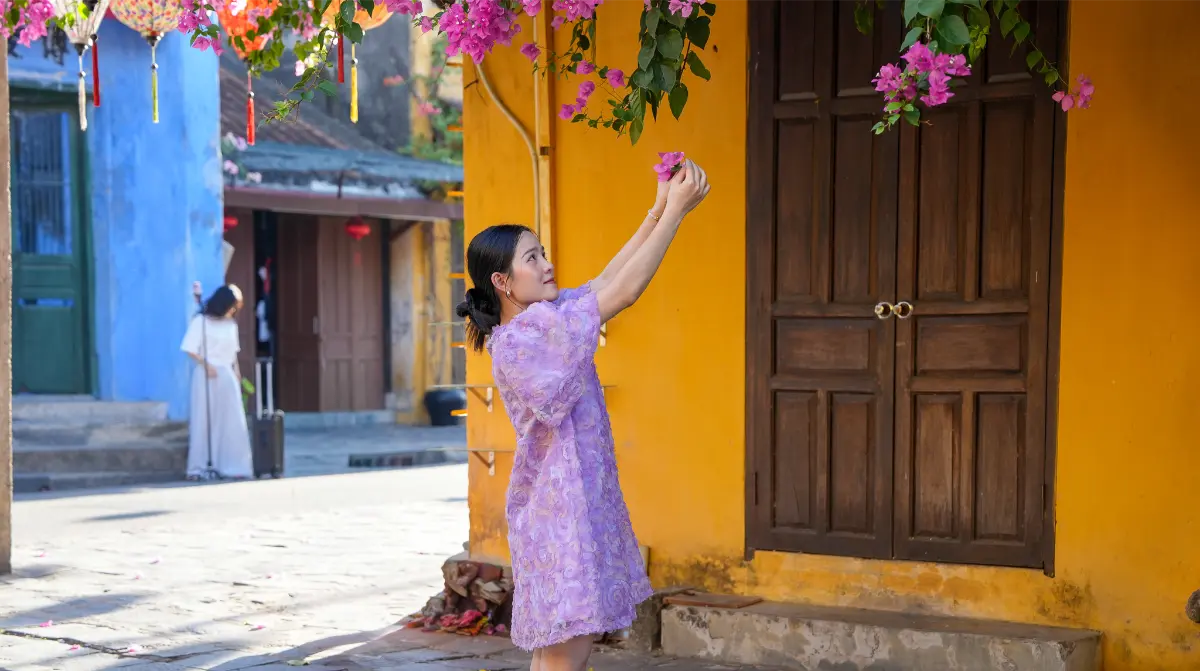
A Colour That Became Part of Hoi An's Identity
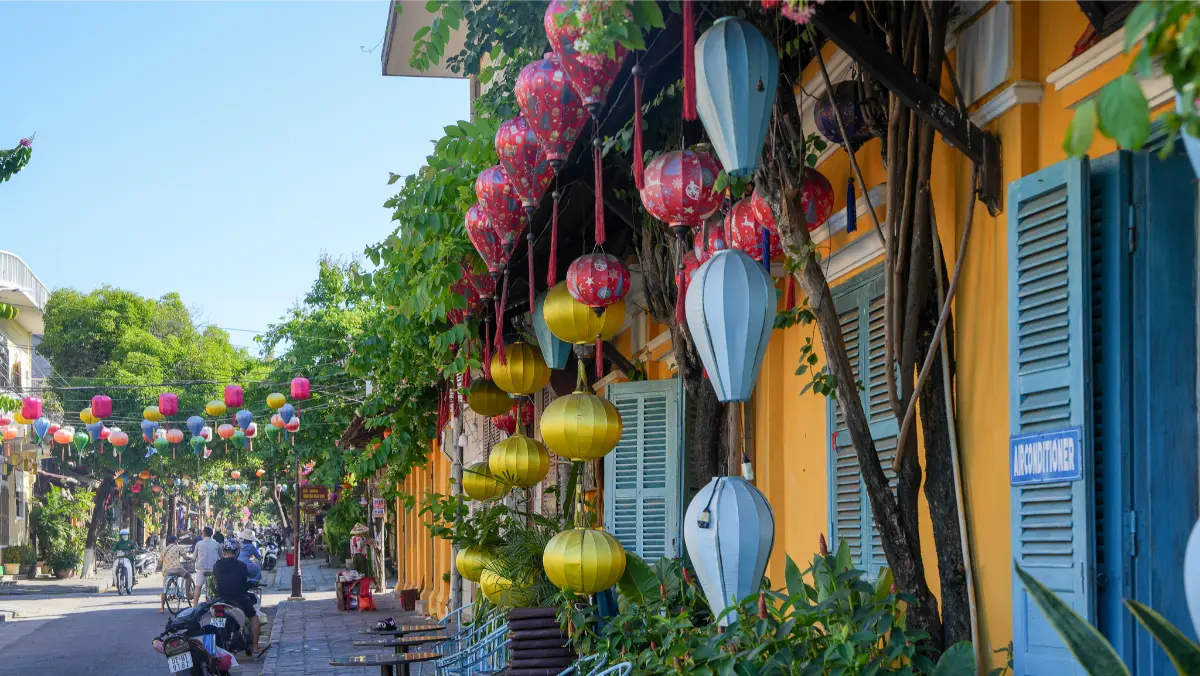
There is a moment that many visitors experience in Hoi An Ancient Town. You turn a corner, the crowds fade behind you, and suddenly an old yellow wall catches the morning light.
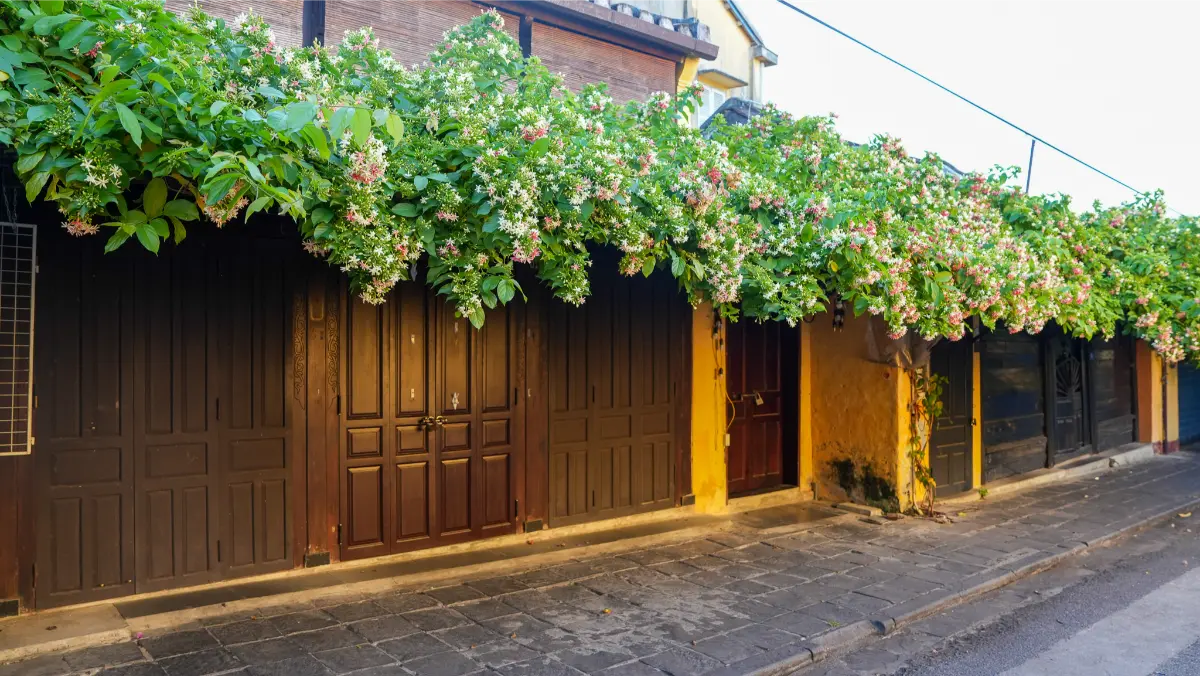
Bougainvillea spills over a wooden balcony, colourful lanterns sway gently above the street, and for a few seconds, time seems to slow down.
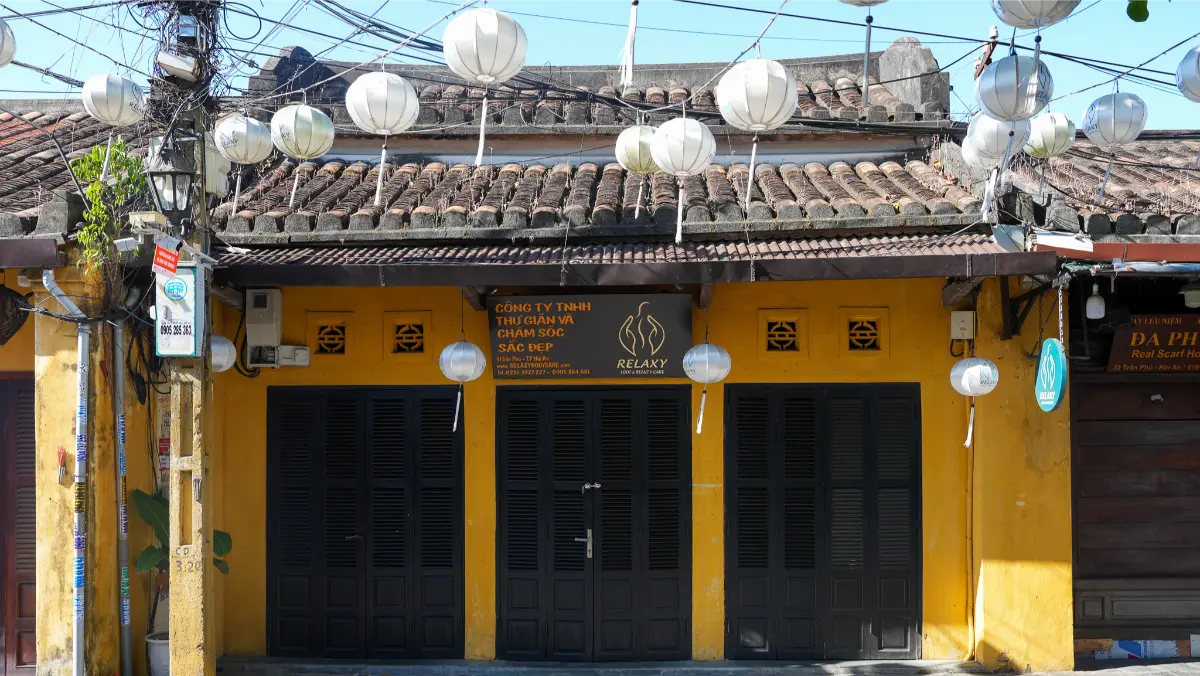
During our Free Walking Tour Hoi An, guests frequently ask the same question: "Why are so many houses painted yellow?" The answer is a story that stretches back hundreds of years — natural pigments were widely available, and lighter ochre tones reflected the intense tropical sunlight better than darker paints.
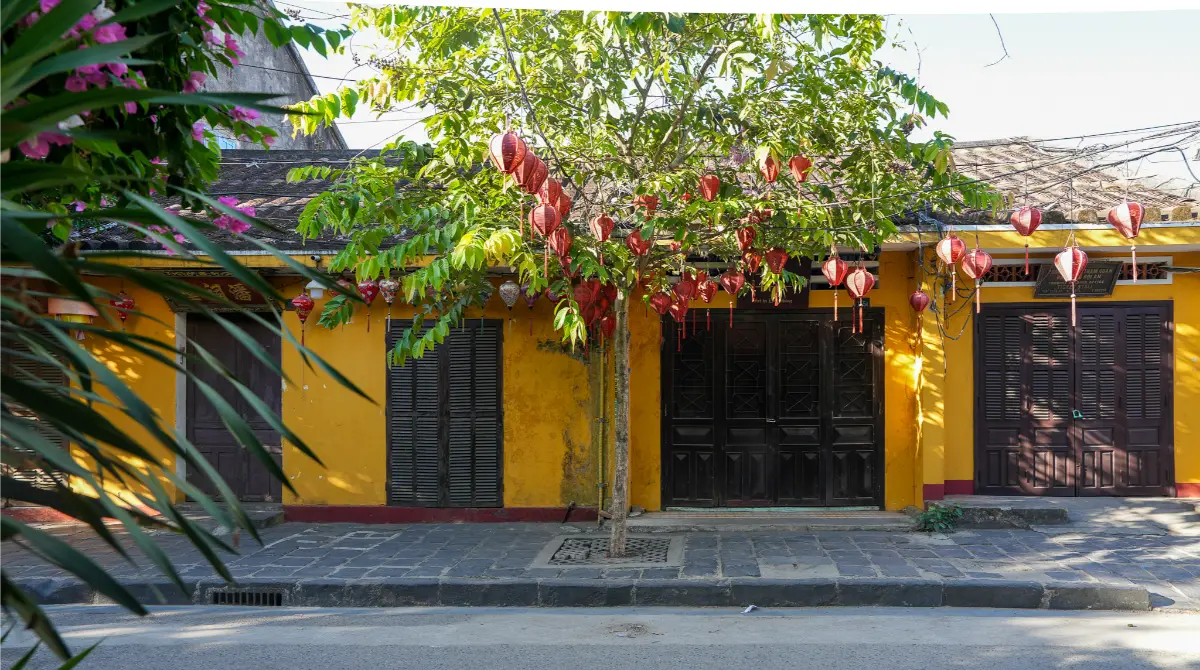
Walking Through Living History
Many of these houses are more than a century old.
Some have belonged to the same families for generations, surviving floods, changing trade routes and Hoi An's transformation from an international port into one of Vietnam's best-preserved heritage towns.
As you walk through the Ancient Town, every weathered shutter, wooden doorway and flowering balcony tells part of that story.
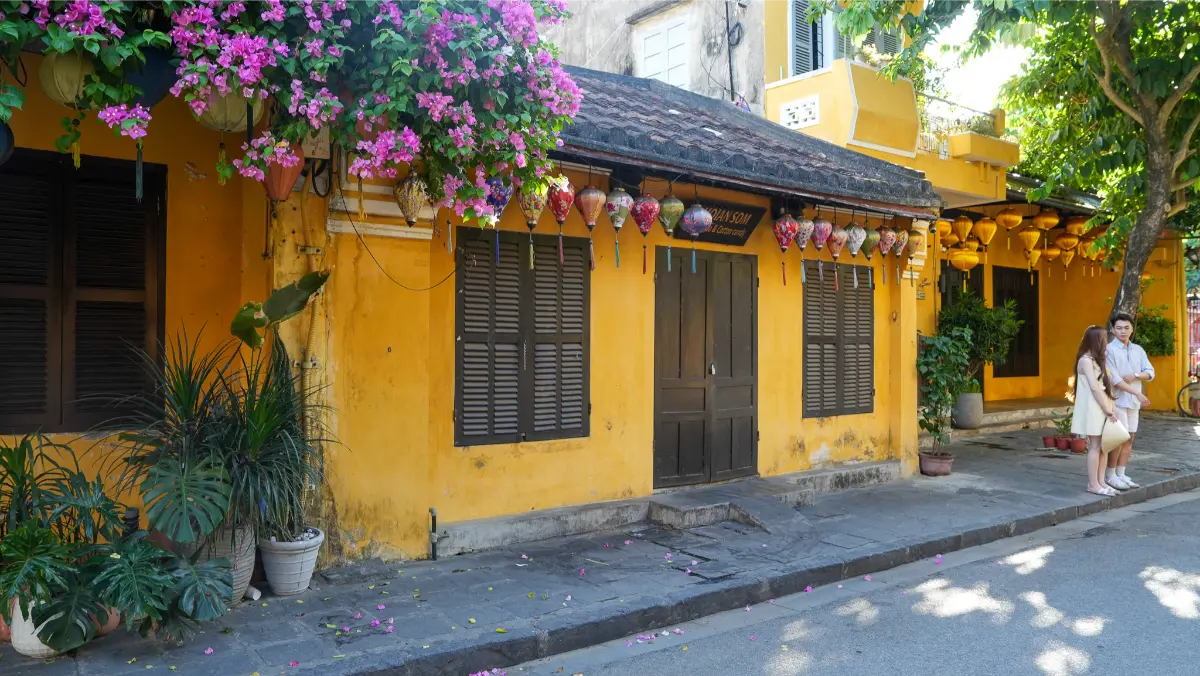
Streets Designed for Walking
Hoi An reveals itself slowly. Unlike modern cities, its narrow streets encourage visitors to explore on foot.
Every few steps offer a different view: bicycles passing quietly, cafés opening for the day, lanterns hanging above ancient roofs, and local residents beginning their morning routines.
This is why so many travellers choose a Hoi An Walking Tour as their first experience in the city — much like the guests in Walking Hoi An With A Local.
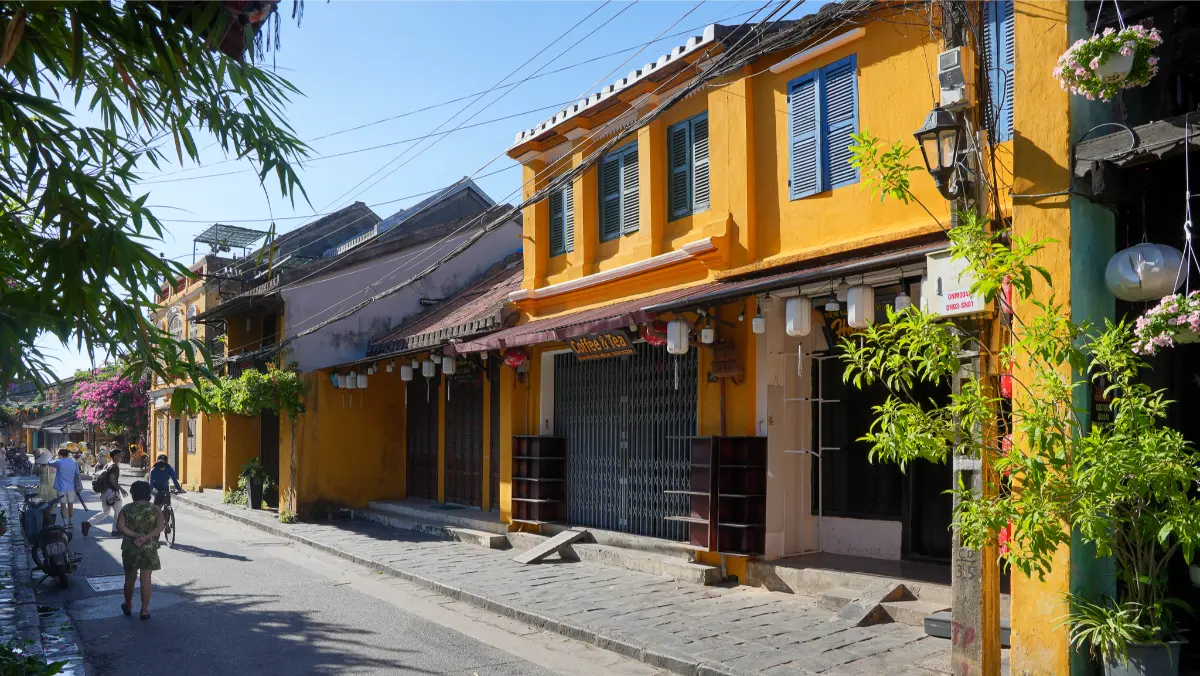
Lanterns, Flowers and Everyday Life
Lanterns may be Hoi An's most famous decoration, but they are only part of the picture.
Bougainvillea climbs across old walls, trees provide shade over quiet streets, and small family businesses continue to operate from buildings that have stood for generations.
The beauty of Hoi An comes not from a single landmark, but from the harmony between architecture and everyday life.
More Than Beautiful Buildings
Behind every yellow wall is a story. Some buildings were once merchants' homes. Others became family businesses, cafés, workshops or guesthouses. Together they form a living town rather than an open-air museum.
That is why Hoi An continues to feel authentic despite welcoming visitors from around the world — and why our local guides love taking travellers past the famous stops of the Japanese Covered Bridge into the quieter lanes behind.
Looking Closer
If you spend enough time wandering these streets, you begin to notice details that many people miss — the texture of old plaster, hand-carved wooden doors, lanterns gently moving in the breeze, and flowers softening centuries-old walls.
It is these quiet observations that often become the most meaningful memories of Hoi An — one of the small Things to Do in Hoi An that no itinerary can plan for you.
Practical Tips For Yellow-House Photos
Best light: 6:30–8:30 AM and 4:30–6:00 PM — soft, golden and free of harsh shadows.
Best streets: Nguyễn Thị Minh Khai, Trần Phú, Bạch Đằng along the river, and the quieter lanes behind Chùa Cầu.
Dress: neutral or soft pastel tones photograph best against the ochre walls.
Respect: many yellow houses are private homes — pause before stepping into doorways or courtyards.
Whether you explore independently or walk with a Local Guide Hoi An travellers trust, take your time. Some of the most memorable moments in Hoi An Ancient Town are waiting on the streets between them.
Join the walk
Walk Hoi An's yellow streets with a local
Join our small-group Free Walking Tour of Hoi An — lantern lanes, yellow heritage houses, Chùa Cầu and the quiet corners most visitors never find. Free to join, tip what you feel.