
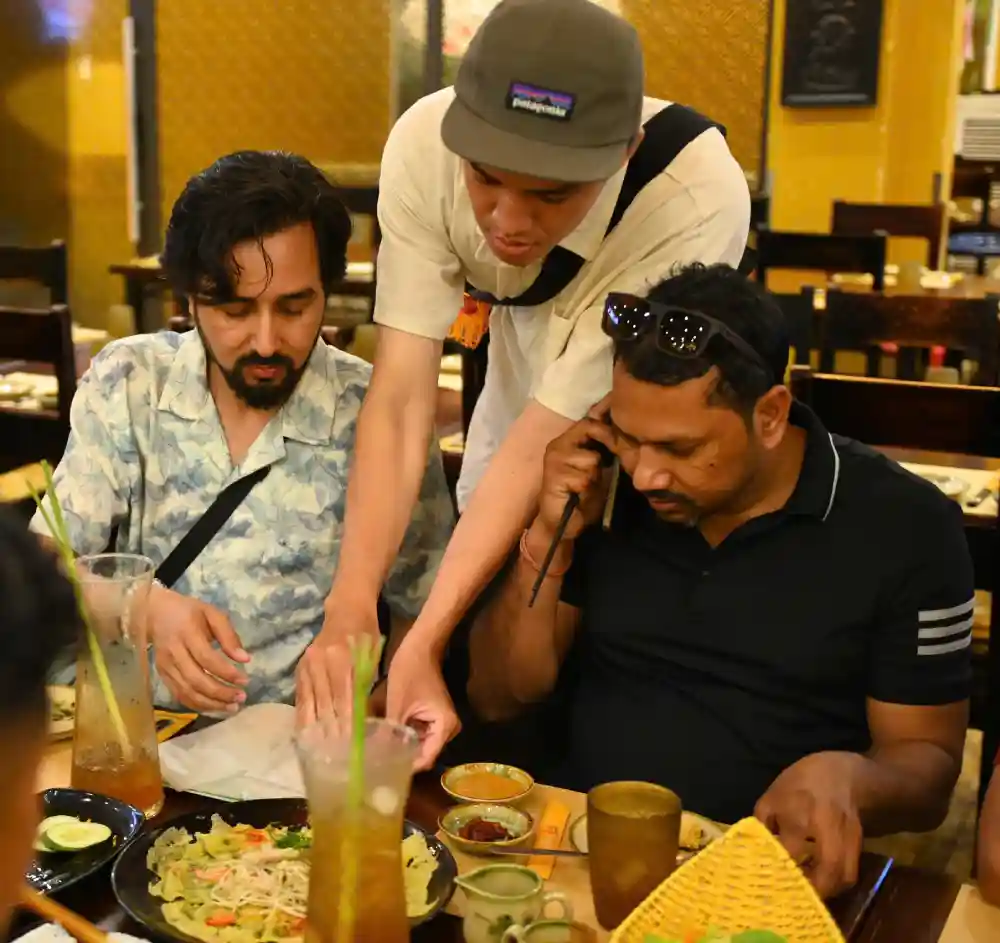
Why Hoi An Is Vietnam's Most Delicious Small Town
Few places in Vietnam reward curious eaters like Hoi An.
This UNESCO-listed trading port spent centuries welcoming merchants from Japan, China and Europe. Their ingredients, techniques and recipes stayed — blended with Central Vietnamese flavours into something entirely its own.
The result is a town where you can eat world-class street food from plastic stools beside a 400-year-old bridge, then walk five minutes to a riverside dessert stall lit by silk lanterns.
Unlike larger cities where street food spreads across sprawling districts, Hoi An concentrates its best flavours inside the Ancient Town and the lanes that radiate from the Thu Bon River. That makes it ideal for walking — taste by taste, story by story.
Cao Lầu — The Dish You Can Only Eat Here
If you try one dish in Hoi An, make it Cao Lầu.
Thick rice noodles, slices of marinated pork, fresh herbs, bean sprouts and crispy rice crackers arrive in a shallow bowl of rich, savoury broth. The texture is unlike any other Vietnamese noodle soup — chewier, earthier, more substantial.
Local legend holds that the noodles must be made with water from ancient Cham wells and ash from a particular island firewood. Whether or not every cook follows those traditions today, the rule remains: authentic Cao Lầu belongs to Hoi An.
You'll find it at modest stalls throughout the Ancient Town, usually from late morning onwards. Look for busy kitchens where locals outnumber tourists — a reliable sign the bowl is worth ordering.
White Rose Dumplings and Hoi An Chicken Rice
White Rose Dumplings — Bánh Bao Vac in Vietnamese — are Hoi An's most delicate snack.
Translucent rice-flour wrappers fold into flower-like shapes, filled with seasoned shrimp or pork and served with a sweet dipping sauce. Several families in the Ancient Town have guarded their recipes for generations.
Com Ga, Hoi An chicken rice, is another staple.
Shredded poached chicken, fragrant yellow rice, herbs and a light broth create a simple plate that locals eat for lunch throughout the week. It lacks the drama of Cao Lầu but rewards anyone who appreciates clean, balanced flavours.
Bánh Mì, Bánh Xèo and Market Snacks
Hoi An's Bánh Mì rivals any in Vietnam.
French colonial influence left behind baguettes; local cooks filled them with pâté, grilled meats, pickled vegetables, fresh herbs and house-made sauces. Every bakery has its loyal following — ask your guesthouse or a local guide which one they prefer that week.
Bánh Xèo — sizzling turmeric crepes stuffed with pork, shrimp and bean sprouts — appear at street-side grills from mid-afternoon. The sound of batter hitting a hot pan is one of Hoi An's most inviting dinner bells.
At the central market, morning stalls sell Mi Quang noodles, fresh spring rolls and seasonal fruit. Arrive before 9:00 AM for the widest selection and the liveliest atmosphere.
The Night Market and Riverside Evenings
When the sun sets, Hoi An's night market stretches along the Thu Bon River.
Lanterns glow above stalls selling grilled seafood, sweet soups called Chè, sugarcane juice and snacks you've never seen on a menu. The scene is tourist-friendly but still used by residents — especially on weekends.
For a quieter experience, wander the side alleys behind the main market strip. Family-run kitchens often serve the same dishes at lower prices, with fewer crowds and more room to talk with the cook.
Riverside cafés and dessert stalls are perfect for a slow finish. Sweet corn pudding, black sesame soup or silky tofu with ginger syrup pair well with the reflection of lanterns on the water.
Practical Tips for Eating Well in Hoi An
Eat when locals eat.
Breakfast and lunch stalls peak before noon; street grills and night-market vendors come alive after 5:00 PM. Timing your walk with those rhythms means fresher food and better atmosphere.
Cash is still king at most street stalls, though larger restaurants accept cards.
If you have allergies or dietary restrictions, learn the Vietnamese names of ingredients you need to avoid — or join a guided food walk where your host can translate and negotiate on your behalf.
Hygiene is generally good at busy stalls with high turnover. When in doubt, choose places cooking food to order rather than items sitting uncovered for hours.
Portions are modest by Western standards. Ordering two or three small dishes between two people often works better than one large plate each.
Frequently Asked Questions
Is Hoi An street food safe for visitors?
Millions of travellers eat street food in Hoi An every year without problems. Stick to busy stalls, watch food being cooked fresh, and drink bottled or filtered water if your stomach is sensitive.
How much should I budget?
Street snacks typically cost less than restaurant mains, but prices vary by location and season. Carry small notes and expect to pay more at riverside tables with prime views.
Can vegetarians eat well in Hoi An?
Yes — many dishes adapt easily. Cao Lầu without pork, vegetable Bánh Xèo and tofu-based Chè are widely available. Tell vendors clearly: "Không thịt" (no meat) or "Chay" (vegetarian).
When is the best time for a food-focused visit?
Evenings between Thursday and Sunday are liveliest, especially during the monthly lantern festival. For quieter tasting, try weekday afternoons when markets are active but night crowds haven't arrived.
Taste Hoi An With a Local Guide
Reading about Hoi An's food is one thing. Walking its lantern-lit lanes while someone explains the history behind each dish is another.
Our Hoi An Evening Street Food Walking Tour visits family-run kitchens and long-established stalls that most independent visitors never find. You'll taste signature dishes, learn how merchant history shaped local recipes, and finish beside the Hoai River with room for one more dessert.
Prefer to understand the town before you eat? Pair it with our Hoi An Old Town Walking Tour — heritage in the afternoon, flavours after dark.
Ready to explore? Visit our booking page or message the team on WhatsApp to reserve your place.